
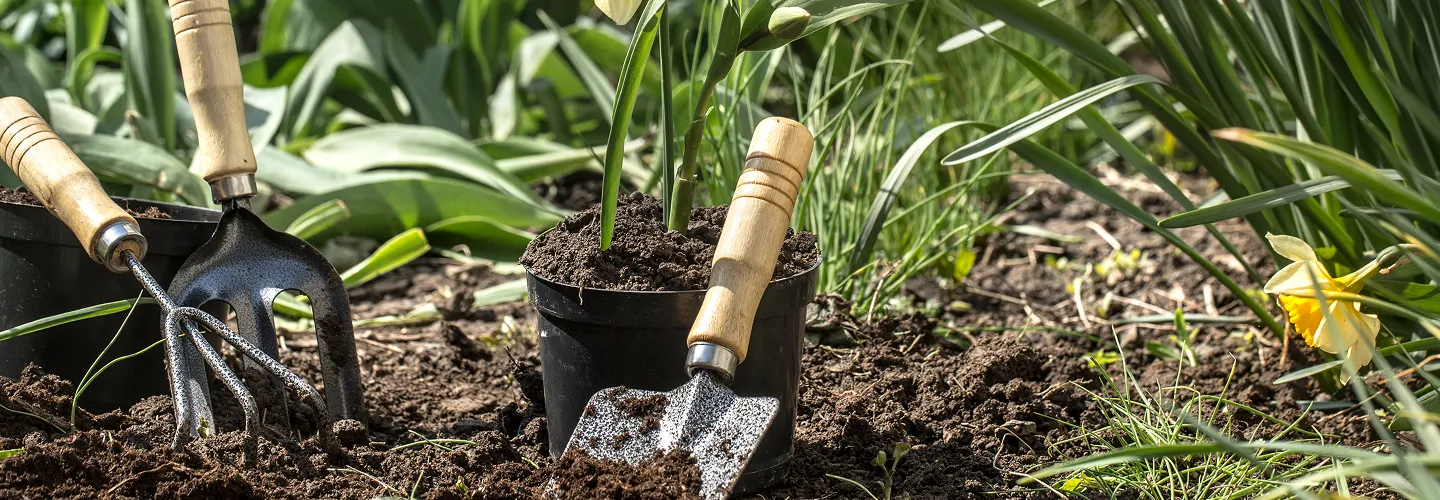
Acworth Flower Bed Maintenance Services
Choose our expert Flower Bed Maintenance for lush, weed-free beds, vibrant blooms, and professional care that enhances your home's curb appeal and saves you time.
Get a Free QuoteOur Acworth Landscaping & Yard Care Services
When to Schedule Flower Bed Maintenance in Acworth, Georgia – Seasonal Guide
In Acworth, Georgia, the best times for flower bed maintenance are closely tied to our unique climate and local landscape features. Early spring, just after the last frost date, is ideal for cleaning beds, refreshing mulch, and planting annuals, while late fall is perfect for preparing beds for winter and protecting perennials. The timing can vary depending on your neighborhood—homes near Lake Acworth or in Brookstone may experience slightly different microclimates due to proximity to water or dense tree coverage.
Local factors such as high summer humidity, occasional drought risk, and the region’s clay-heavy soils all play a role in determining when and how to maintain your flower beds. For example, shaded lots in neighborhoods like Bentwater may require different care schedules than sunnier properties. Staying informed about municipal watering restrictions and referencing resources like the Sudbury town website can help you plan maintenance that keeps your landscape healthy and compliant.
Local Factors to Consider for Flower Bed Maintenance in Acworth
- Tree density and shade coverage (e.g., mature oaks in historic downtown)
- Soil type and drainage, especially in areas with heavy clay
- Seasonal precipitation patterns and drought risk
- Proximity to water features like Lake Acworth
- Municipal watering restrictions and local ordinances
- Terrain and slope, which can affect runoff and erosion
Benefits of Flower Bed Maintenance in Acworth

Enhanced Curb Appeal
Weed and Pest Prevention
Healthier Plant Growth
Seasonal Color Management
Professional Landscape Expertise
Increased Property Value

Acworth Flower Bed Maintenance Types

Seasonal Mulching
-
Weed Control Services
-
Soil Amendment
-
Plant Pruning and Trimming
-
Fertilization Programs
-
Pest and Disease Management
-
Edging and Bed Redefining
Our Flower Bed Maintenance Process
Site Evaluation
Weed Removal
Soil Preparation
Plant Care
Mulching
Why Choose Acworth Landscape Services
-
Acworth Homeowners Trust Us
-
Expert Lawn Maintenance
-
Reliable Scheduling
-
Competitive Pricing
-
Professional Team
-
Satisfaction Guarantee
-
Personalized Service
Acworth's Piedmont Red Clay Soils and Flower Bed Drainage Management
Acworth sits within Georgia's Piedmont region, where the predominant soil series include Cecil, Appling, and Madison soils — all characterized by dense red clay subsoils with limited natural drainage capacity. According to the USDA Web Soil Survey, these soils typically exhibit low permeability below the topsoil horizon, which creates persistent moisture retention in flower beds during Acworth's wet spring and summer months. Beds installed directly over compacted clay subsoil are prone to root suffocation, crown rot, and fungal disease in warm-season annuals and perennials. Practical bed preparation steps for Acworth properties include:
- Amending native clay with 3–4 inches of compost worked to a depth of 8–10 inches
- Raising bed grades 4–6 inches above surrounding grade to promote surface drainage
- Avoiding low-lying areas adjacent to drainage swales without subsurface drainage correction
- Testing soil pH, which in Acworth's Piedmont soils typically ranges from 5.5 to 6.2, and adjusting with lime as needed per UGA Cooperative Extension guidance
Acworth falls within USDA Hardiness Zone 7b, supporting a broad range of perennial and annual species when drainage is properly managed.
Seasonal Flower Bed Maintenance Timing for Acworth's Growing Conditions
Acworth's climate, monitored by the National Weather Service Atlanta forecast office, features long, humid summers with average high temperatures exceeding 90°F from June through August and mild winters with occasional hard freezes between December and February. This climate pattern creates two distinct active maintenance windows for flower beds:
- Spring establishment (mid-March through May): Soil temperatures in Acworth typically reach 60°F by mid-March, signaling safe transplant timing for warm-season annuals such as vinca, pentas, and lantana. Mulch application of 2–3 inches should be completed before late April to suppress early weed germination.
- Fall transition (September through October): Cool-season annuals including pansies, snapdragons, and ornamental kale perform well when installed after soil temperatures drop below 70°F, typically in late September.
- Winter dormancy (November through February): Bed edging, soil amendment, and structural pruning of ornamental grasses and woody perennials should be completed before new growth emerges in late February.
Deadheading warm-season annuals every 2–3 weeks from June through August extends bloom cycles and reduces disease pressure in Acworth's high-humidity conditions.
Protecting Acworth Stormwater Infrastructure During Bed Maintenance Operations
Flower bed maintenance activities — including mulch application, fertilizer use, and pesticide treatment — carry direct implications for Acworth's stormwater drainage network. The Acworth Stormwater Division manages drainage infrastructure, water quality protection, flood mitigation, and erosion control programs throughout the city. Runoff from improperly managed beds can carry sediment, excess nutrients, and chemical residues into storm inlets that discharge to local tributaries including Allatoona Creek and Lake Acworth. Property owners and maintenance professionals should observe the following practices:
- Apply granular fertilizers at least 10 feet from storm drain inlets, curb cuts, and drainage swales
- Avoid blowing or washing mulch, clippings, or bed debris into street gutters or storm inlets
- Do not apply liquid herbicides or pesticides within 24 hours of forecasted rainfall
- Contain and bag all bed waste before transport; do not pile organic material near drainage features
These practices align with Clean Water Act requirements and the EPA NPDES Program standards applicable to municipal stormwater systems.
Acworth Stormwater Division
4415 Senator Richard Russell Drive, Acworth, GA 30101
Official Website: Acworth Stormwater Division
Acworth Code Compliance Standards Affecting Flower Bed and Frontage Upkeep
The Acworth Code Compliance office enforces municipal property maintenance standards, zoning compliance, and neighborhood preservation requirements that directly affect flower bed and frontage conditions. Overgrown beds, invasive groundcovers encroaching on sidewalks or rights-of-way, and accumulated organic debris can trigger code violation investigations. Property owners should be aware of the following compliance considerations:
- Beds adjacent to public sidewalks and rights-of-way must not obstruct pedestrian passage or sightlines at intersections
- Invasive plant species identified by UGA Extension — including English ivy, Chinese privet, and Japanese honeysuckle — are common in older Acworth neighborhoods and may require active removal to prevent spread onto adjacent properties
- Accumulated leaf litter, dead plant material, and unmaintained mulch beds may be cited under property maintenance standards
- Frontage beds in commercial and mixed-use zones may be subject to additional landscaping standards under Acworth's zoning ordinance
Property owners uncertain about specific frontage or bed maintenance requirements should verify current standards with the Code Compliance office before undertaking significant bed renovation or removal work.
Acworth Code Compliance
4415 Senator Richard Russell Drive, Acworth, GA 30101
Official Website: Acworth Code Compliance
Georgia Pesticide Licensing Requirements for Professional Flower Bed Treatment
When flower bed maintenance includes the application of herbicides, insecticides, or fungicides by a hired professional, Georgia law requires that the applicator hold a valid pesticide license issued by the Georgia Department of Agriculture. The Georgia Pesticide Use and Application Act of 1976 establishes licensing categories, application standards, and enforcement authority for commercial pesticide use on residential and commercial properties. Property owners in Acworth should verify the following before authorizing pesticide applications in flower beds:
- The applicator holds a current Georgia commercial pesticide license in the appropriate category (typically Category 27 for ornamental and turf pest control)
- Product labels are followed precisely, including rates, buffer distances, and re-entry intervals
- Applications near Lake Acworth, Allatoona Creek, or any drainage feature comply with label restrictions for aquatic buffer zones
- Records of pesticide applications are retained, as Georgia law requires licensed applicators to maintain application records
The Georgia Department of Agriculture - Agricultural Pest Control page provides current licensing verification resources for residents.
What Neighborhoods Do We Serve Throughout Acworth, GA?
- Downtown Acworth / Historic District: Older residential lots with established tree canopy, compacted native clay soils, and mature foundation plantings that require careful bed renovation to avoid root disturbance near historic structures.
- Lake Acworth Shoreline Communities: Properties adjacent to Lake Acworth face heightened stormwater sensitivity; bed maintenance near shoreline areas requires careful fertilizer and mulch management to protect water quality.
- Governors Towne Club: Large-lot estate properties with HOA landscaping standards, formal bed designs, and irrigation systems that require coordinated seasonal maintenance scheduling.
- Brookstone: Established subdivision with mature tree canopy creating significant shade pressure on flower beds; shade-tolerant species selection and mulch depth management are primary maintenance considerations.
- Baker Road Corridor / Westside Neighborhoods: Mix of newer construction on graded fill soils and older lots with variable drainage; bed drainage correction is frequently needed before plant establishment.
- Cauble Park and Lakeshore Drive Area: Proximity to Lake Acworth and municipal park greenways creates environmental sensitivity; runoff containment and non-invasive plant selection are particularly important in this corridor.
- Nance Road / North Acworth: Transitional area between established neighborhoods and newer subdivisions with varying soil profiles; red clay compaction is common and bed amendment is typically required for successful perennial establishment.