
Acworth Weeding Services
Choose our expert weeding services for a healthier, more vibrant landscape—our experienced team ensures your garden stays pristine, saving you time and effort while promoting stronger plant growth.
Get a Free QuoteOur Acworth Landscaping & Yard Care Services
When to Schedule Weeding in Acworth, Georgia – Seasonal Guide
In Acworth, Georgia, the best times to schedule weeding are typically in early spring and late fall, when local weather patterns create optimal conditions for effective weed removal. The region’s climate, characterized by warm, humid summers and mild winters, means that weeds can thrive almost year-round, but targeting them before their peak growth—especially after the last frost in neighborhoods like Brookstone or near Lake Acworth—yields the best results. Early spring weeding helps prevent invasive species from taking hold, while a late fall session ensures your landscape is tidy before winter dormancy sets in.
Local environmental factors play a significant role in determining the right timing for weeding. For example, areas with dense shade from mature oaks in the historic district may require more frequent attention due to persistent moisture and slower soil drying. Soil types in Acworth range from sandy loam to clay, affecting both weed growth and removal techniques. Additionally, periods of drought or heavy rainfall, as well as municipal guidelines outlined by the Town of Sudbury, can influence when and how often weeding should be performed to maintain healthy, attractive landscapes.
Local Factors to Consider for Weeding in Acworth
- Tree density and shade coverage, especially in established neighborhoods
- Terrain variations, such as sloped yards near Red Top Mountain
- Seasonal precipitation patterns and drought risk
- Soil composition (clay vs. sandy loam)
- Local municipal restrictions or guidelines
- Proximity to water features like Lake Acworth
- Frequency of frost and thaw cycles
Benefits of Weeding in Acworth
Enhanced Curb Appeal
Healthier Plant Growth
Reduced Pest Infestation
Improved Soil Quality
Professional and Reliable Service
Time and Effort Savings
Acworth Weeding Types

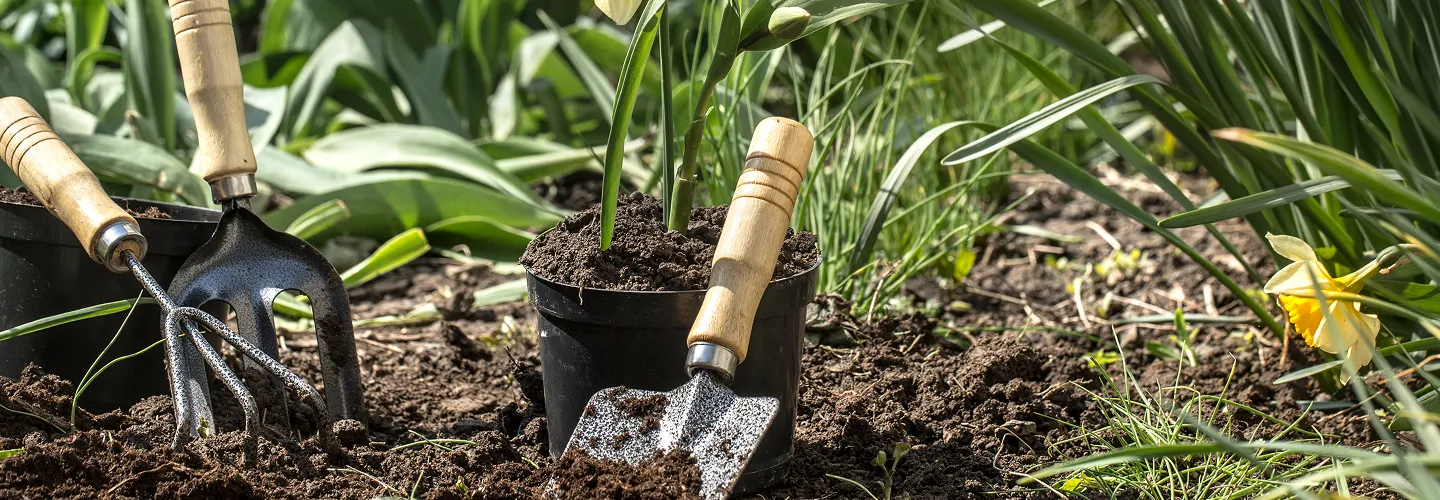
Hand Weeding
-
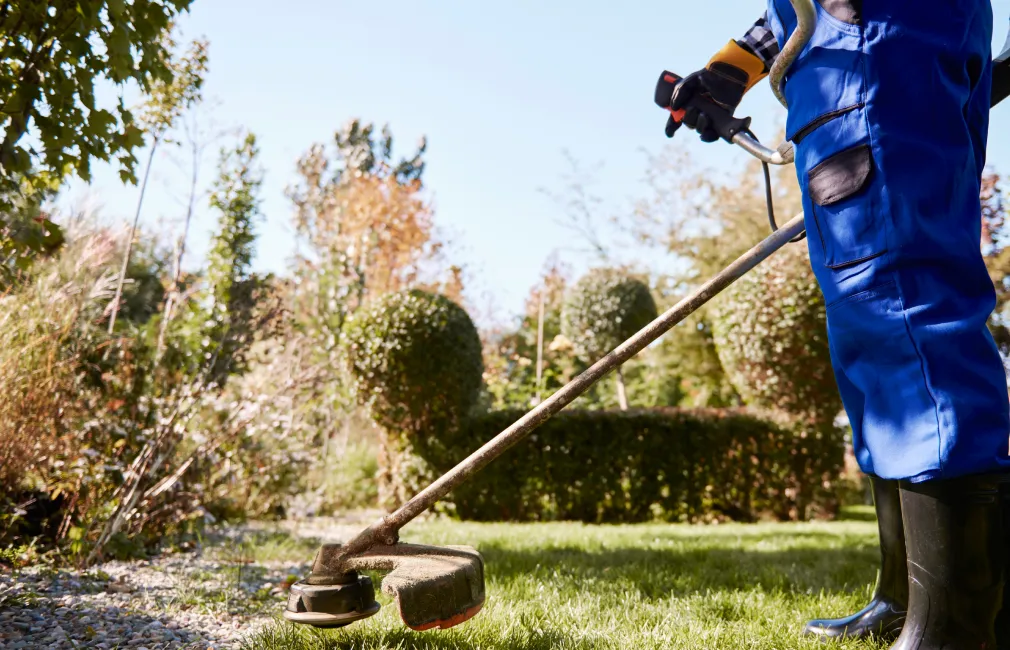
Mechanical Weeding
-
Mulching for Weed Control
-
Pre-Emergent Weed Control
-
Post-Emergent Weed Removal
-
Selective Herbicide Application
-
Landscape Fabric Installation
Our Weeding Process
Site Evaluation
Weed Identification
Targeted Removal
Soil Treatment
Final Inspection
Why Choose Acworth Landscape Services
-
Acworth Homeowners Trust Us
-
Expert Lawn Maintenance
-
Reliable Scheduling
-
Competitive Pricing
-
Professional Team
-
Satisfaction Guarantee
-
Personalized Service
Acworth's Red Clay Soils and Weed Pressure in Planting Beds
Acworth, Georgia falls within USDA Hardiness Zone 7b and sits squarely in the Piedmont region, where Cecil and Appling soil series dominate — dense, acidic red clay soils with limited drainage capacity and a pH typically ranging from 5.0 to 6.0. These conditions create persistent weed pressure in planting beds, as compacted clay surfaces retain moisture near the soil surface following rainfall, providing ideal germination conditions for opportunistic species such as common chickweed (Stellaria media), hairy bittercress (Cardamine hirsuta), and nutsedge (Cyperus spp.). According to USDA Web Soil Survey data for Cobb County, many residential lots in Acworth also contain disturbed urban fill soils with inconsistent drainage, further complicating weed suppression. Effective weeding in these conditions requires:
- Hand-pulling or shallow cultivation to avoid disrupting clay structure
- Application of 2–3 inches of organic mulch to suppress germination
- Avoiding deep tillage that brings dormant weed seeds to the surface
- Soil pH testing every 2–3 years to guide amendment decisions
UGA Cooperative Extension provides region-specific guidance on managing weed pressure in Piedmont clay soils.
Optimal Weeding Timing for Acworth's Warm-Season Growth Cycle
Acworth's climate, monitored by the National Weather Service Atlanta/Peachtree City forecast office, features hot, humid summers with average high temperatures exceeding 90°F from June through August and a frost window generally between mid-November and mid-March. This extended warm season creates two distinct peak weed germination periods that property owners and managers should plan around:
- Spring flush (March–May): Cool-season weeds such as henbit, chickweed, and annual bluegrass complete their cycle; warm-season species including crabgrass (Digitaria spp.) and spurge (Euphorbia spp.) begin germinating as soil temperatures exceed 55°F
- Late summer/fall flush (August–October): A second germination wave occurs as temperatures moderate, favoring broadleaf species and winter annuals
Weeding intervals of every 2–3 weeks are recommended during peak growth months (April through September). Pre-emergent weed barriers or mulch refresh should be applied in late February to early March, before soil temperatures consistently reach the 55°F germination threshold. UGA Cooperative Extension publishes annual planting and pest calendars calibrated to North Georgia conditions.
Protecting Acworth Stormwater Infrastructure During Weeding Operations
Acworth's stormwater drainage network — including roadside swales, detention ponds, and drainage corridors near Lake Acworth and Allatoona Creek — is managed under the city's Municipal Separate Storm Sewer System (MS4) permit program, which operates in compliance with the EPA NPDES Program and the Clean Water Act. During weeding operations, property owners and contractors must take precautions to prevent displaced plant material, soil, and any herbicide residues from entering storm drains or drainage swales. Key compliance practices include:
- Collecting and bagging all pulled weeds before rain events
- Avoiding herbicide application within 10 feet of storm drain inlets, swales, or detention pond edges unless using products specifically labeled for aquatic or buffer-zone use
- Preventing soil disturbance on slopes adjacent to drainage corridors
- Reporting any observed illicit discharges to the city's stormwater program
The Acworth Stormwater Division oversees drainage infrastructure maintenance and water quality protection throughout the city. The Georgia EPD Watershed Protection Branch establishes the state-level water quality standards that govern these local programs.
Acworth Stormwater Division
4415 Senator Richard Russell Drive, Acworth, GA 30101
Phone: (770) 917-8903
Official Website: Acworth Stormwater Division
Georgia Pesticide Licensing Requirements for Professional Herbicide Application
When weeding services in Acworth involve the application of chemical herbicides — including pre-emergent or post-emergent products — the contractor performing the work must hold a valid pesticide applicator license issued by the Georgia Department of Agriculture - Licensing, Certification and Employee Registration. This requirement is established under the Georgia Pesticide Use and Application Act of 1976, which governs the commercial application of restricted and general-use pesticides statewide. Property owners hiring weeding professionals should verify:
- That the contractor holds a current Georgia commercial pesticide applicator license
- That the specific herbicide product is labeled for the target weed species and application site
- That application rates comply with label instructions, which carry the force of federal law under FIFRA
- That records of herbicide applications are retained for a minimum of two years per Georgia Department of Agriculture requirements
Unlicensed commercial herbicide application is a violation of state law. Residents performing their own herbicide applications on their own property are not subject to licensing requirements but must still follow all product label directions. The Georgia Department of Agriculture - Agricultural Pest Control program provides additional guidance on compliance.
Acworth Code Compliance and Nuisance Vegetation Standards on Private Property
Acworth's Code Compliance division enforces property maintenance standards that directly affect weeding obligations for residential and commercial property owners. Overgrown vegetation, including tall weeds and invasive ground cover encroaching on sidewalks, rights-of-way, or neighboring properties, may constitute a code violation subject to enforcement action. Property owners should be aware of the following:
- Vegetation along public sidewalks and street frontages must be maintained to preserve pedestrian clearance and sightlines
- Invasive species identified by UGA Extension - Invasive Species — such as kudzu (Pueraria montana), Japanese honeysuckle (Lonicera japonica), and privet (Ligustrum spp.) — are common in Acworth and may spread from unmaintained lots to adjacent properties
- Complaints regarding overgrown vegetation can be submitted directly to Acworth Code Compliance for investigation
- Violations may result in written notice, re-inspection, and potential fines if not remediated within the specified compliance window
Acworth Code Compliance
4415 Senator Richard Russell Drive, Acworth, GA 30101
Phone: (770) 917-8903
Official Website: Acworth Code Compliance
What Neighborhoods Do We Serve Throughout Acworth, GA?
- Baker Road Corridor: This established residential area features mature tree canopy and older planting beds with compacted Cecil clay soils, creating persistent perennial weed pressure that benefits from regular hand-weeding and annual mulch refresh.
- Governors Towne Club: Large-lot estate properties in this community often include extensive ornamental bed systems where nutsedge and broadleaf weed pressure is amplified by irrigation systems maintaining consistent soil moisture.
- Brookstone: A well-established subdivision with HOA-maintained common areas and individual lots featuring mixed sun and shade conditions; shade-tolerant weeds such as wild violet and ground ivy are common challenges.
- Lake Acworth Neighborhoods: Properties near Lake Acworth and its drainage corridors require particular attention to herbicide buffer compliance and weed disposal practices to protect adjacent stormwater features.
- Centennial: A newer subdivision with fill soils of variable composition; inconsistent drainage in low-lying areas promotes nutsedge and sedge establishment, requiring targeted identification before treatment.
- Downtown Acworth Historic District: Older residential lots with established landscaping and narrow access present manual weeding as the preferred method, particularly in bed areas adjacent to historic structures where chemical applications require careful label review.
- Nance Road Area: Semi-rural residential properties along Nance Road feature larger lots with wooded edges, where invasive species encroachment from woodland margins — including privet and Japanese honeysuckle — requires systematic removal and follow-up monitoring.